sonic rituals, tragic colours & romantic stories by black metal musicians, post punk actresses and actors, occultists & bandits.

sonic rituals, tragic colours & romantic stories by black metal musicians, post punk actresses and actors, occultists & bandits.

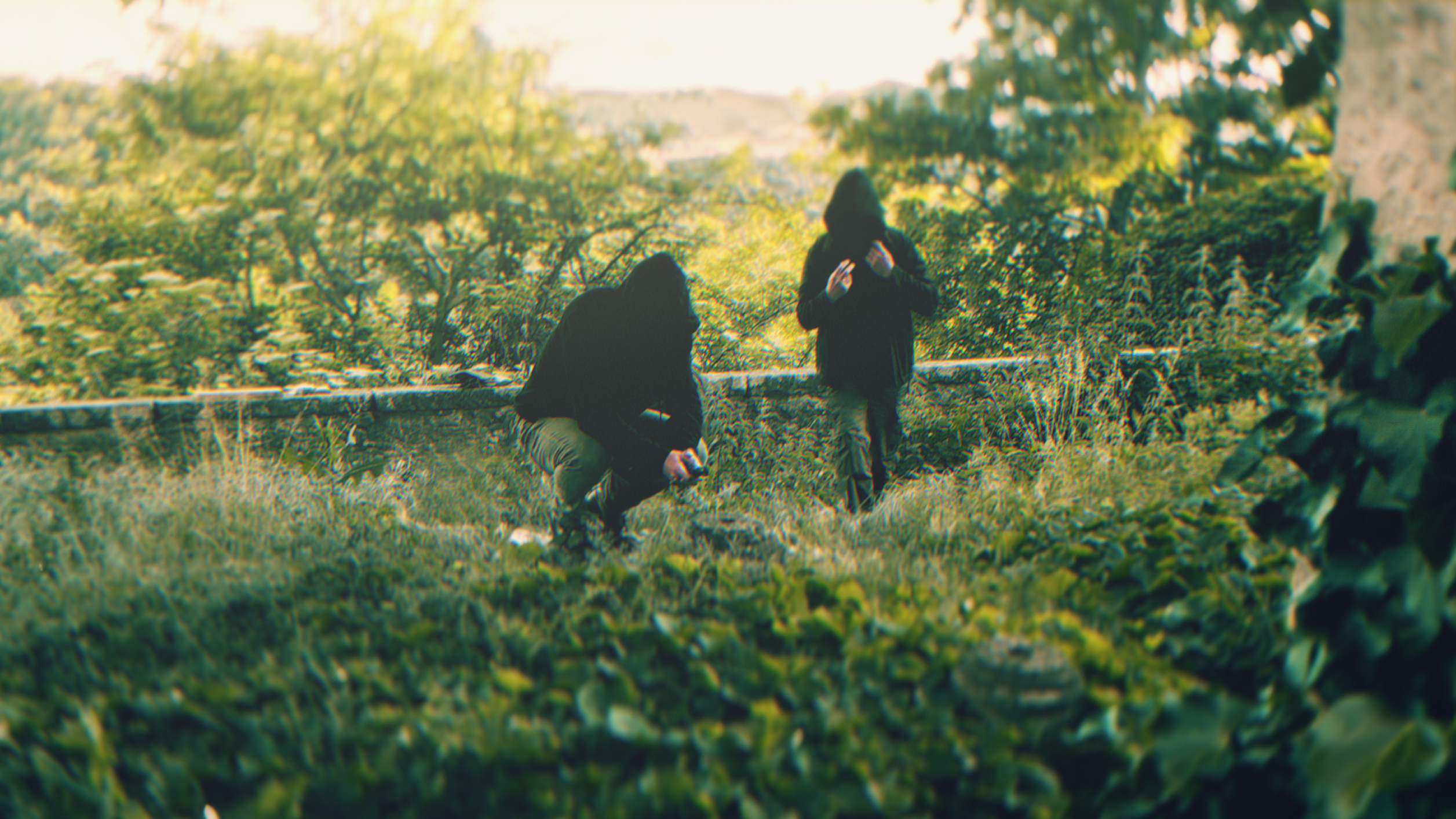
Figure Romane lives between sound art and spiritual archaeology, approaching composition as an act of excavation rather than creation. Their work draws from medieval, sacred, and pagan imagery, seeking resonance between memory, architecture and flesh. Mixing field recordings, electroacoustic manipulations and symbolic narratives, they craft immersive works feeling both ancient and timeless.
|
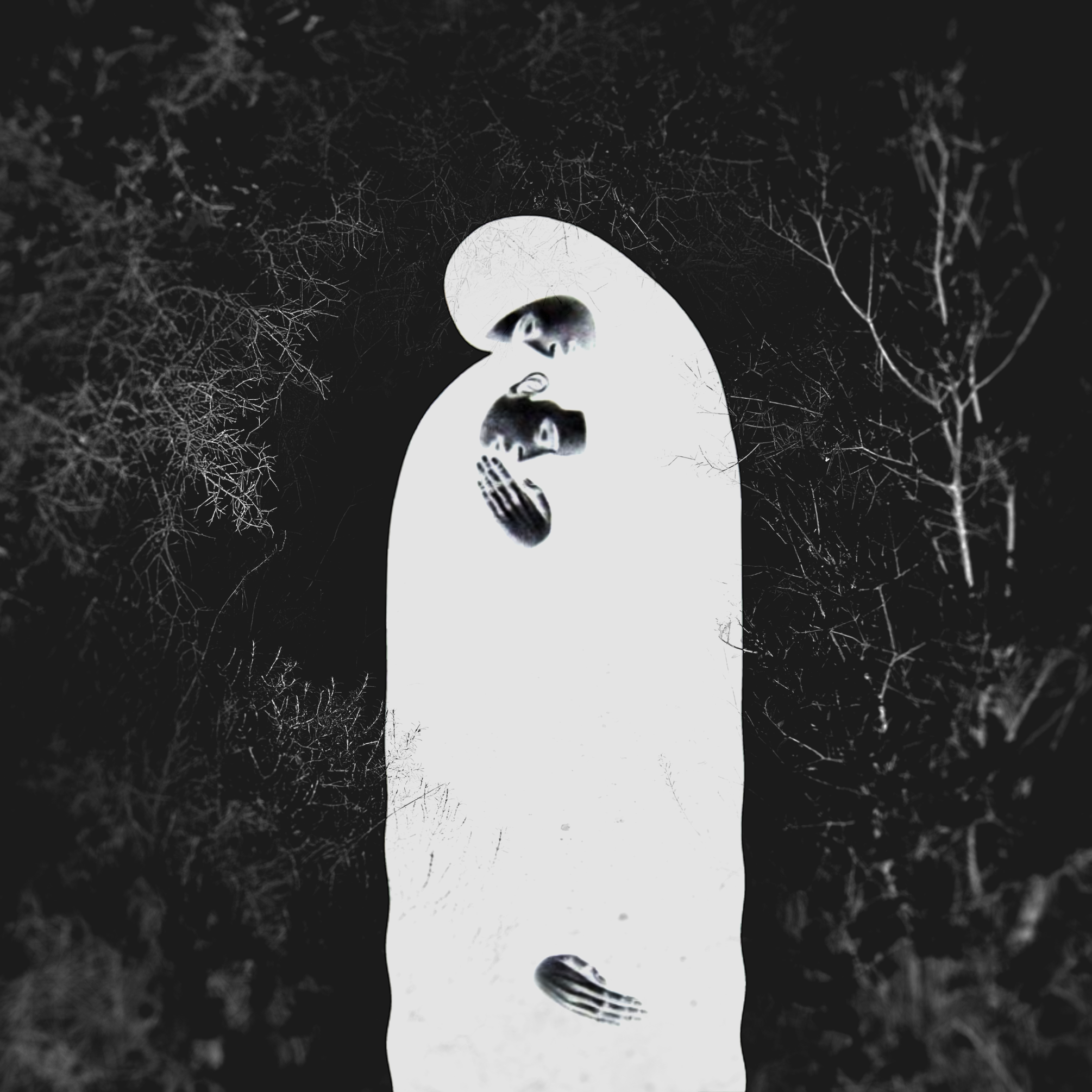
Les Fêtes Ursines
21 tracks 16 . 6 , 2025 ( |
The album Les Fêtes Ursines is built around a personal encounter between a producer and the enigmatic artist Asphodèles 17, a poet and unconventional percussionist who works with found objects, stones, and organic materials rather than traditional instruments.
The concept draws on a shared past marked by a dreamlike visions in which Asphodèles channels medieval echoes - specifically a 13th-century figure named Jean, his daughters Salomé, Émilie, and Marie, and their bear, Cometa.
The work is rooted in the idea that stones, buildings, and landscapes possess memories, absorbing and replaying moments from history, and that music can awaken those dormant traces. Recording sessions took place in the remote and forgotten corners of Haute-Provence, among ruined chapels, dense woods, and unmarked paths, often guided by intuitive “signs” and a respect for the presences of these places.
Musically, the album merges experimental recording techniques and elements inspired by Romanesque art. The compositions blend cyclical structures, polyrythms and deliberate dissonance to evoke tension, friction, and the coexistence of two eras: the medieval world of Jean and the contemporary artists’ time. Classical instruments are treated with dissonant intervals, unexpected consonances, and layered textures to create instability and expressive surprises, transforming accidental sonic collisions into meaningful emotional events. Organic field recordings (percussion on rocks, echoes in abandoned churches, sounds of wood, moss, and metal) are intertwined with voices, bells, pianos, and strings, assembling a raw narrative soundscape.
The Romanesque influence appears both in form and symbolism: repetitive motifs like sculpted friezes, solemn procession-like rhythms, medieval instruments and modes (dorian, phrygian), and acoustics reminiscent of stone vaults. Themes of redemption, sin, and mythical creatures connect the music to the carved imagery of ancient chapels, while the presence of the bear (seen not as a devil but as a godlike, protective figure) anchors the album’s emotional core in tenderness and primal power. Together, these elements create a work that is at once historical and visionary, a sonic journey into forgotten sanctuaries where past and present intertwine, and where music does not aim to please but to unsettle, question, and reveal hidden dialogues between worlds.